Choose and prepare the work
Confirm two recurring tasks, permitted sources and tools, quality criteria, and staff time.
 Request a fit conversationTalk to DBX
For public agencies and mission-driven organizations
For teams that have introduced AI tools or training and want to make them useful in daily work.
DBX helps your team put approved AI tools to work on real tasks, learn together, and build methods colleagues can reuse.
A community of practice is a small staff group that practices on related work, reviews results, and shares useful methods.
The group works on agreed tasks in approved tools, reviews real outputs, and shares methods colleagues can use again.
Progress means staff can apply the method to a real task and repeat it with less support.
Illustrative example
A staff member prepares a briefing for a colleague or decision-maker. The group tests the approach, reviews the output, and saves a method others can reuse.
Choose permitted sources and the purpose of the briefing.
Draft in an approved AI tool using the agreed source material.
Check facts against sources, omissions, tone, and suitability.
Improve with peer feedback and make the reasoning visible.
A designated human reviews the briefing before use.
Source permission does not guarantee accuracy. Designated people remain responsible for checking and approving work before use.
DBX helps your staff configure an agreed practice space and templates in approved existing tools where practical. We run practice together, document two task guides and worked examples, review applied work, and coach two internal hosts to take over the routine.
Confirm two recurring tasks, permitted sources and tools, quality criteria, and staff time.
Apply the method to real work, use peer feedback, and get help during scheduled sessions.
Inspect applied work and document what staff can repeat with less support.
Two internal hosts rehearse welcoming members, guiding discussion and keeping reviewed guidance findable, with DBX support before taking over.
Managers agree staff participation time.
Internal hosts organize sessions, welcome colleagues, and keep guidance current.
Workflow owners retain approval responsibility for work used by the organization.
Two task guides, worked examples, a shared practice space, evidence of applying the method, two internal hosts, and a continuation plan.
Team-led operation is the design goal, with an internal owner and agreed staff time. Optional ongoing DBX facilitation and support are quoted separately; technical operations remain distinct.

Progress criteria are agreed before the work begins:
Attendance shows participation; work samples and repeat use show applied practice.
You receive a clear account of what staff demonstrated, what still needs support, and which tasks are worth developing further.
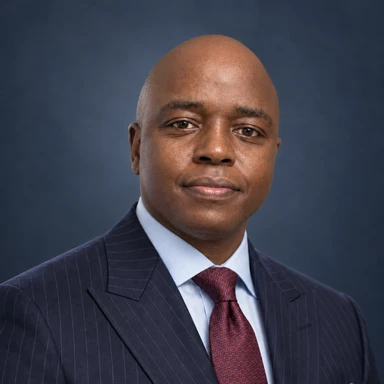
Led by Denis Bundi, with the DBX team
Denis connects learning design, software development, and hands-on AI implementation. His personal experience informs how DBX frames practice, review, handover, and responsible use.
Explore our learning systems expertiseUse the fit conversation to test the work, people, and tools - not to commit to a platform.
Recurring work with a clear owner, a reviewable output, and enough repetition for a small staff group to learn together.
Agreed existing tools may be used where practical. A dedicated platform is chosen only if it is useful and justified by the scoped work.
Managers and DBX agree participation time and cadence upfront, after understanding the task and constraints.
Do not use sensitive or unapproved content in AI tools. The organization’s permissions, policy, and workflow owners govern what is permitted.
The engagement is fixed-fee once scoped. Platform, integration, and ongoing costs are made clear before commitment. There is no public price.
Bring one recurring task.
A 30-minute fit conversation explores your work, people, and approved tools before DBX recommends a focused launch and scoped proposal.
Denis Bundi, Founder & Principal
denis@dbxai.com