DBX Expert Lab

Course authoring and upkeep

Build the learning tools. Make the learning work.

DBX builds courses, practice activities and job aids in editable formats, with source files and a handover so your team can keep them current.

Cohort Engine is the technical authoring and maintenance detail behind DBX Learning Programs. Planning a course, cohort or workshop series? Start there; this page explains how programs are built and kept current.

Educators building within the application.

Native authoring means educators can create and maintain structured learning activities inside the application, with explanations, practice, reflection, feedback, and assignments connected to a coherent pathway.

Reusable learning blocks illustration
Reusable activities, arranged around the work.
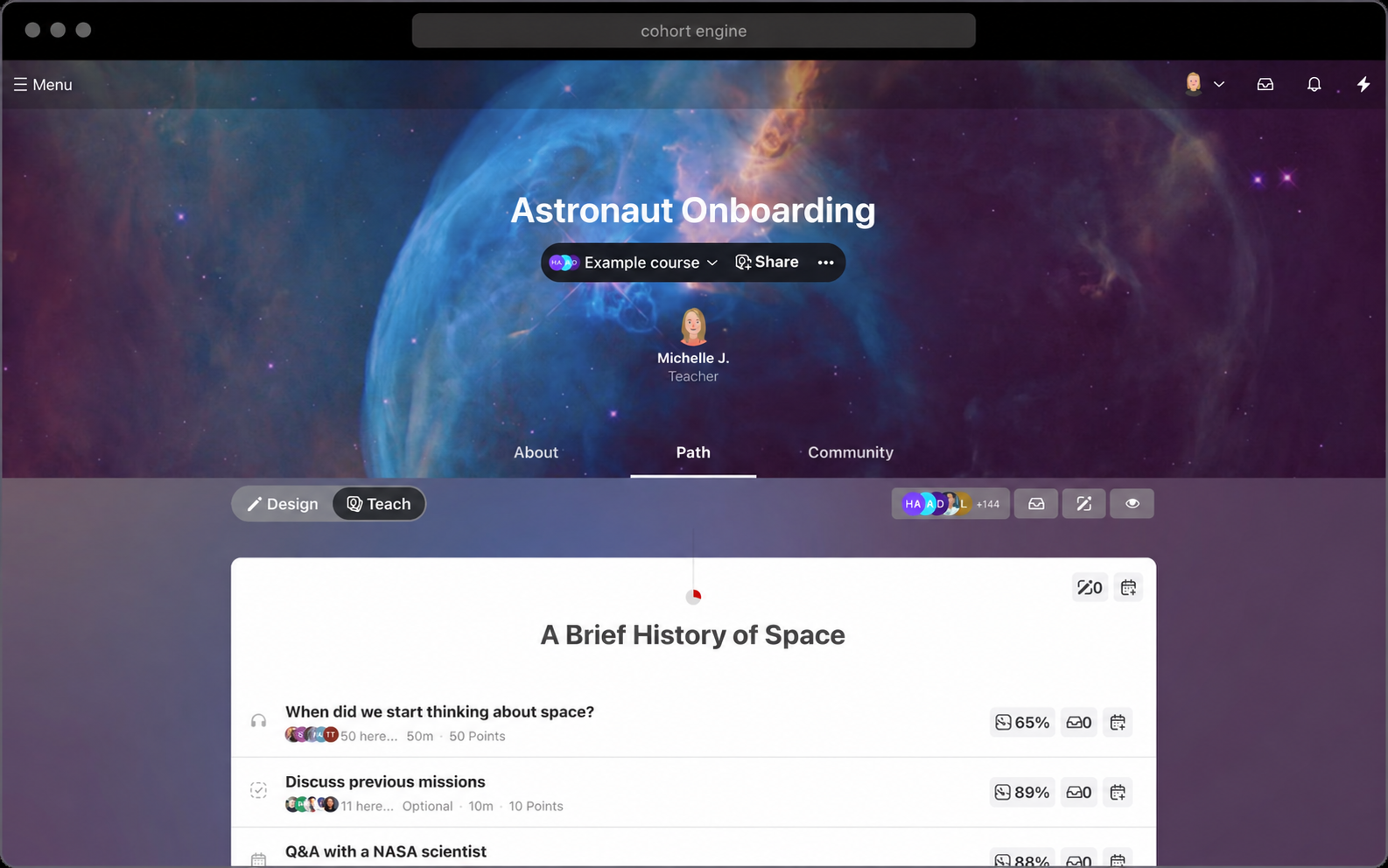
Course authoring interface showing an onboarding pathway with learning activities.
Denis Bundi, Founder & Principal, DBX Expert Lab

Denis Bundi

Founder & Principal, DBX Expert Lab

"I design and develop the tools educators use to create learning, as well as the learning experiences themselves. My work connects reusable learning blocks, native authoring, and adult-learning principles across learning applications. Together with the team at DBX, I bring that experience into practical curriculum, cohort delivery, accessibility, and implementation work, helping organizations turn expert knowledge into learning and performance systems their people can use and maintain."

For authors & educators

Reusable authoring patterns and controlled content maintenance.
For learners

Purposeful practice, useful feedback, revision, and clearer next steps for judgment and hand-off.

For program leaders

Coordinated cohort delivery and evidence distinguishing participation from demonstrated performance. Shared expectations make hand-offs easier to coordinate across teams.
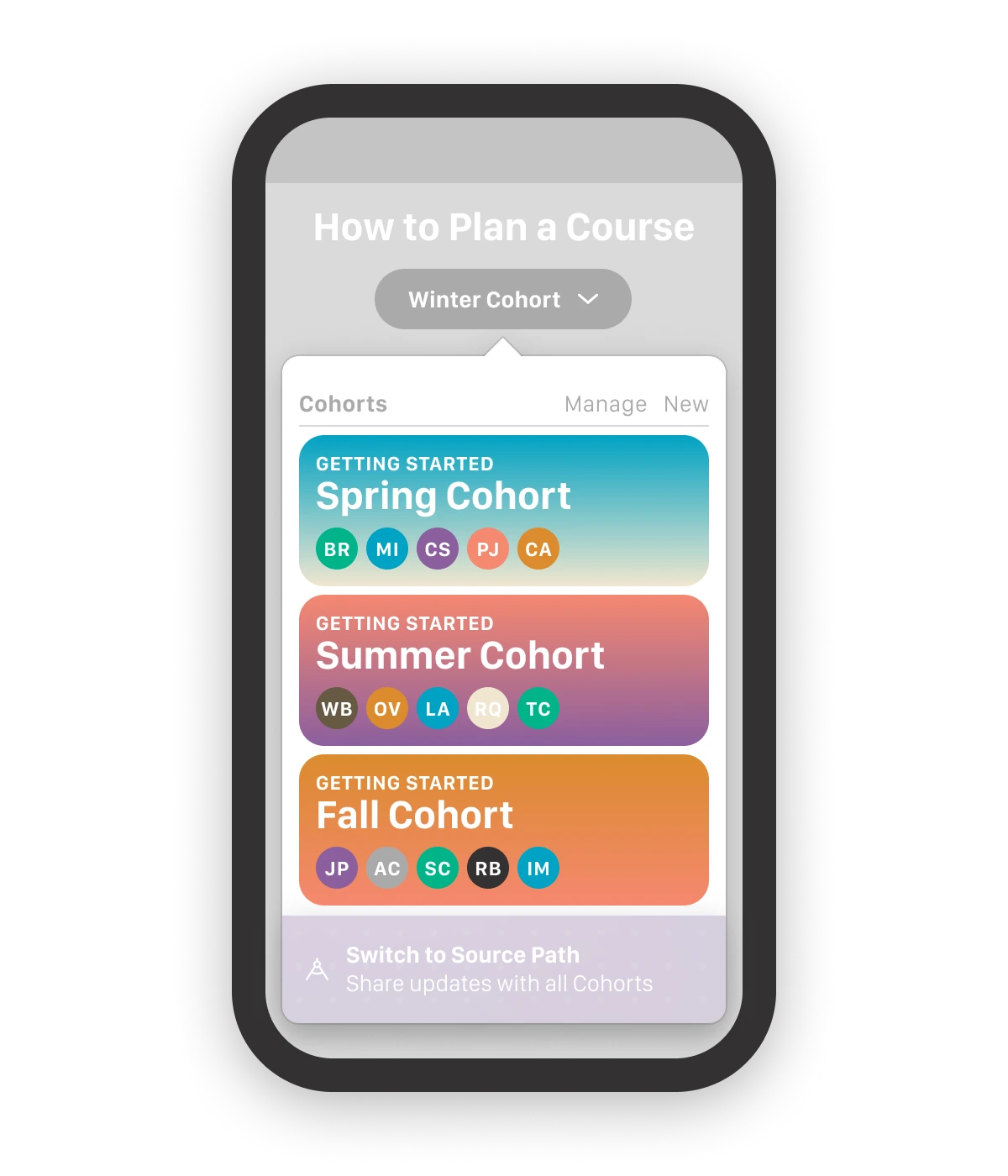
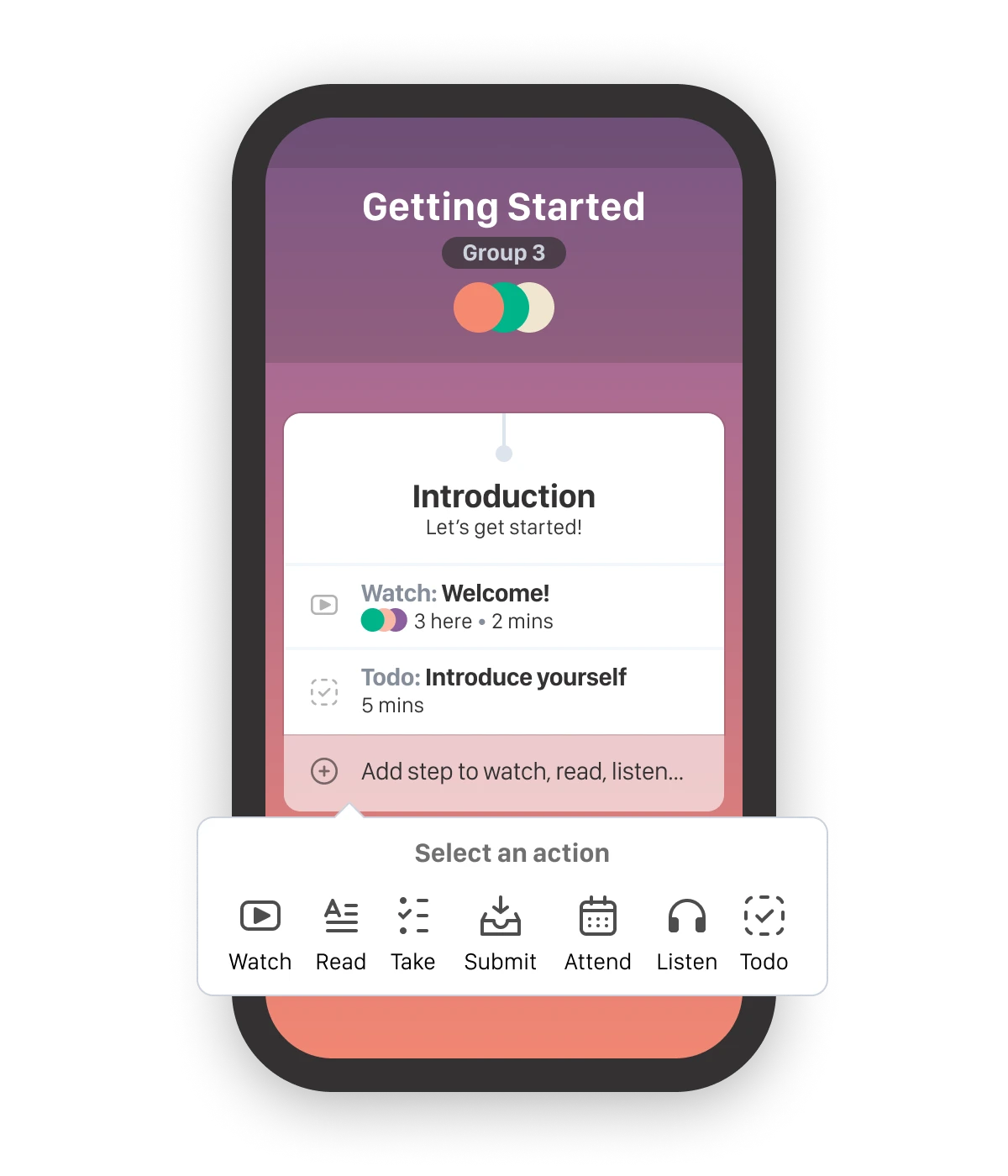
Mobile interface showing reusable learning content shared across multiple cohorts.
Mobile authoring interface showing options for video, reading, tasks, submissions, events, audio, and to-dos.

Representative engagement possibilities:

  • Native authoring and reusable templates: Educators assemble and maintain reusable activities inside the learning environment.
  • Explanations and worked examples: Ideas connect to realistic tasks and expert reasoning becomes visible.
  • Practice and judgment: Learners make purposeful decisions, develop responses, and have opportunities to try again.
  • Applied assignments and feedback: Submitted work is tied to clear criteria for useful review.
  • Cohorts and delivery coordination: Enrollment, pacing, reminders, and facilitator responsibilities are aligned.
  • Authoring quality and accessibility: Review and accessibility considerations are built into authoring and release.
  • Progress and improvement: Participation, assessed understanding, and workplace application guide iteration.

Native Authoring Context

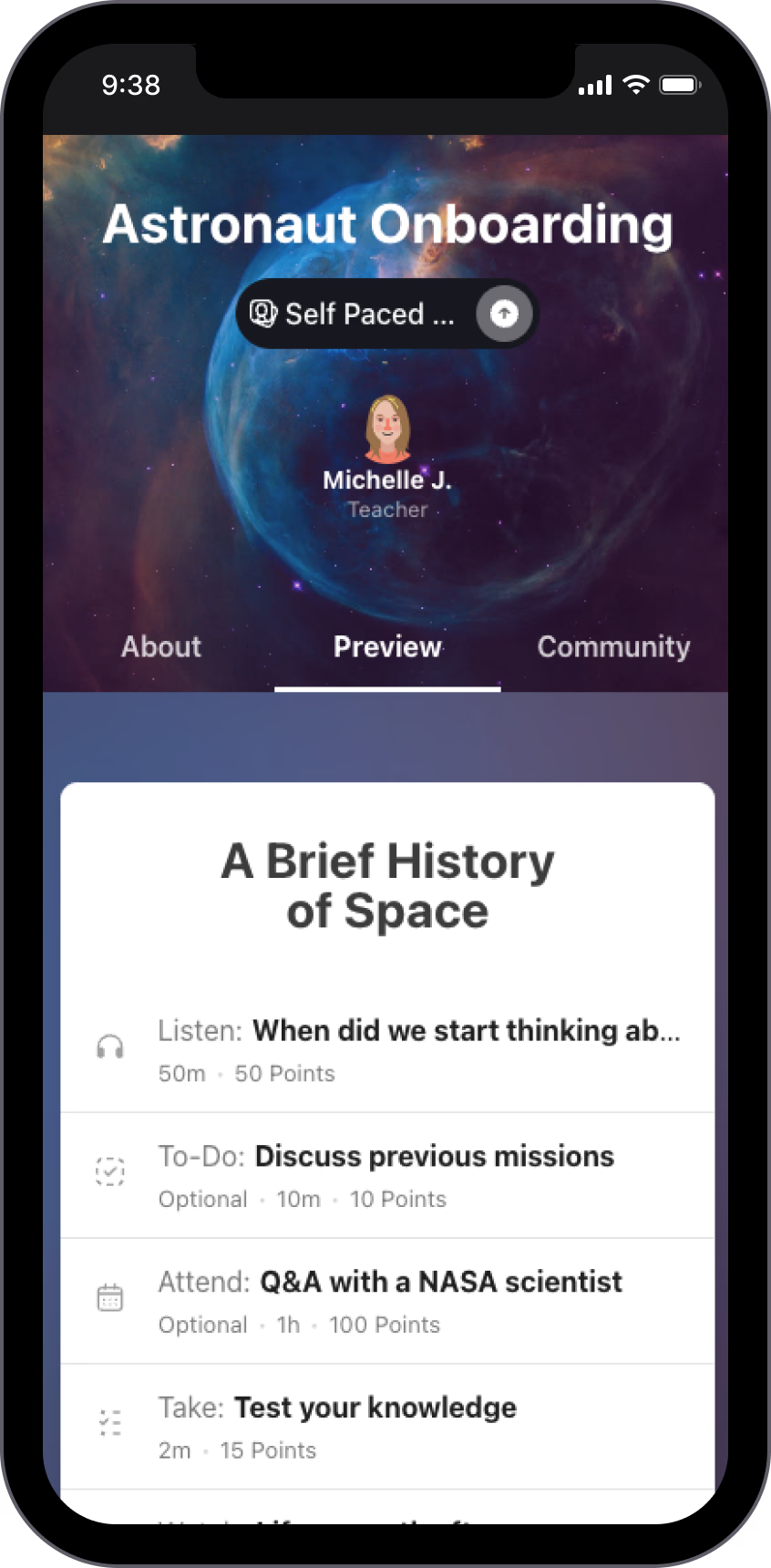
Mobile course preview showing a sequence of listening, discussion, live event, and knowledge-check activities.
01

Explain

02

Practice

03

Apply

04

Review

05

Improve

An educator configures a customer-response activity and its review criteria. A learner drafts a response and configures an escalation step. A facilitator reviews the work against those criteria, and the learner revises while submitted work and progress are retained.

Illustrative design pattern, not a client case study or live product demo.

Reflection notes illustration
Reflection and feedback guide the next attempt.
Cohort Engine

Capture. Structure. Practice. Prove. DBX Cohort Engine operates as supporting expertise within this broader framework, not as a replacement for foundational capability design.

Best for organizations needing expert knowledge made teachable, repeatable, and maintainable.

Start with your existing technical environment; custom development is recommended only when the scope warrants it.

  • Agency/workforce onboarding and policy-to-practice
  • Enterprise system adoption/enablement
  • Consulting partners extending workshops
  • Small-business technical assistance paired with training

Scoped work, designed for the hand-off.

  • Preserve prior work: Plan curriculum changes so prior learner submissions and progress remain available.
  • Shared vs cohort architecture: Separate shared curriculum from cohort-specific scheduling and logistics.
  • Feedback ownership: Define who owns feedback, follow-up, and escalation within each delivery model.
  • Accessibility: Consider accessibility in both the authoring experience and the learning content it produces.
  • Handover decisions: Agree integration, export, intellectual-property, maintenance, and handover requirements for each engagement.

Evidence-informed framing.

These principles inform our design choices and are not measured Cohort Engine results.

  • Learning should ask people to explain and apply.
  • Retrieval and revisiting support retention.
  • Feedback guides the next attempt.
  • Prior knowledge and support needs vary.
  • Completion alone does not establish workplace performance.
Discuss your learning program